Portland Fruit/Nut Tree Report – 2009 – Let’s Implement this NOW

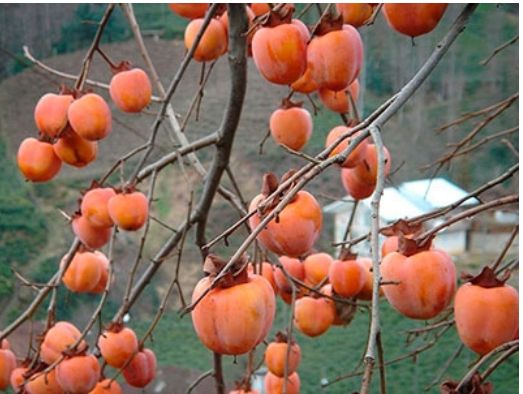
Photo of persimmon fruit tree persimmon Lychee fruit tree photos

Fruit and Nut Tree Report

Portland Fruit-Nut Tree Report – as a PDF

Portland Fruit/Nut Tree Report

Portland Multnomah Food Policy Council members Affiliations are provided for identification purposes and are not intended to represent the formal participation of any agency or organization.

CHAIR Weston Miller Oregon State University Extension
VICE-CHAIR Jean Fike, East Multnomah Soil & Water Conservation District
MEMBERS Mary Bedard, Friends of Portland Community Gardens
David Beller, Mercy Corps NW
Eecole Copen, Oregon Health Sciences University
Allison Hensey, Oregon Environmental Council
Mellie Pullman, Portland State University
Greg Lee, Portland State University
Robin Scholetzky Cory Schreiber, Oregon Department of Agriculture
Tammy VanderWoude, Oregon Food Bank
Josh Volk, Slow Hand Farm
Sharon Whalen, Duck Delivery Produce, Inc.
Tera Couchman Wick, Janus Youth Programs
Ryan Wist, Scenic Fruit

STAFF TO FOOD POLICY COUNCIL
Kat West
, Sustainability Program, Multnomah County
Sonia Manhas, Department of Health, Multnomah County
Steve Cohen, Bureau of Planning and Sustainability, City of Portland

FRUIT/NUT TREE COMMITTEE MEMBERS
Eecole Copen, Oregon
Health and Sciences University
Katy Kolker, Portland Fruit Tree Project
Wisteria Loeffler Leslie Pohl-Kosbau, Portland Community Gardens
David Beller, Mercy Corps NW
Robin Scholetzky

OTHER CONTRIBUTORS
Rob Crouch,
Parks and Recreation, City of Portland (CoP);
Jim Gerschbach, Friends of Trees;
Beret Halverson, OSU Extension;
Roberta Jortner,
Bureau of Planning and Sustainability (BPS), CoP;
Amanda Rhoads, BPS, CoP;
Karen Tillou, Home Orchard Society;
Brighton West, Friends of Trees

1 Portland Fruit/Nut Tree Report, Portland/Multnomah Food Policy Council, April 2009

I. Executive Summary In August 2007, in response to City of Portland (CoP) staff recommendations, a subcommittee of the Portland/Multnomah Food Policy Council‟s Food Access Committee began research and analysis of existing CoP policies regarding fruit/nut tree plantings in the public right-of-way. Although the Portland/Multnomah Food Policy Council‟s scope includes both the City and the County, the scope of this report and analysis centered on the conditions within the City of Portland.

These recommendations were developed in conjunction with staff from The Bureau of Planning and Sustainability, the Urban Forestry Division and the Community Garden Project of Portland Parks and Recreation and various stakeholders. Project goals included the following:

1. Highlight current and future opportunities for and benefits of fruit/nut tree plantings.

2. Increase public knowledge of appropriate fruit/nut trees to be planted in this region, also serving to reduce planting of inappropriate fruit/nut trees.

3. Increase the nursery industry‟s supply of appropriate fruit/nut trees by increasing awareness of and commitment to demand.

4. Recognize food production at the same level of importance as canopy size (carbon sequestering) to reduce city‟s carbon footprint.

Research in the following areas supports the inclusion of fruit/nut trees in City documents, standards and policies:

Improve Health and Nutrition

Reduce Carbon Emissions

Increase Food Security

Peak Oil Standpoint

The Portland Fruit/Nut Tree Report describes five primary recommendations and three secondary recommendations: 1. Fruit/Nut Tree inclusion within the Citywide Tree Policy Review and Regulatory Improvement Project (CTPRRIP) 2. Fruit/Nut Tree inclusion within the Bureau of Environmental Services, Grey to Green Initiative 3. Expand current Public-Private Partnerships for Urban Orchards 4. Use existing City Urban Forestry programs for outreach and education of fruit/nut Trees. Secondary recommendations: 1. Continue to include appropriate language into existing City of Portland policies and management plans regarding fruit/nut tree selection & appropriateness 2. Encourage registration of all newly planted fruit/nut trees 3. Recognize fruit/nut tree organizations as potential collaborators A list of resources and partner organizations is also provided in the Report.

II. Introduction 2 Portland Fruit/Nut Tree Report, Portland/Multnomah Food Policy Council, April 2009

The original motivating opportunity to create this report was a response to City of Portland staff recognition of language in the Urban Forest Action Plan (Feb 2007) that held opportunity for increased fruit/nut tree plantings in Portland. The statement read, „Support planting of food-producing trees in appropriate locations‟. Lead: Office of Sustainable Development (Goal 3, Outcome B, Livability, Medium Priority, 5 Year Actions).

The food access sub-committee of the Portland Food Policy Council convened several meetings with staff from The Bureau of Planning and Sustainability, the Urban Forestry division and the Community Garden Program of Portland Parks and Recreation, and various stakeholders including Friends of Trees, Home Orchard Society, Portland Fruit Tree Project, to determine and make a formal recommendation to City staff regarding opportunities for planting appropriate fruit/nut tree varieties. Below is a discussion of related issues including health/nutrition, carbon emission reduction, food security and peak oil. In short, global food prices are on the rise due to fluctuating oil prices and the dependency on petroleum based fertilizers and pesticides. In the coming months and years, Portlander‟s ability to grow some or all food on a smaller scale may become more important as a means of securing access to healthy and fresh fruits, nuts and vegetables. The following represent our recommendations to proactively meet this demand and bring food production safely into the mix as part of the City‟s response to a changing environmental and socio-economic landscape.

III. Justification: The multi-perspective benefits of fruit and nut trees for human and environmental health 

Improve Health and Nutrition

o Research shows that eating more fruits and vegetables is good for health. In addition to decreasing the risk of many chronic diseases, fruits and vegetables are naturally low in fat and help people feel full on fewer calories. Consequently, eating fruits and vegetables helps people maintain a healthy weight.1 2005 statistics found that in Oregon, 43% of men and 29% of women are overweight, and 25% of men and 24% of women obese. Obesity rates are even higher for the economically disadvantaged. 2 The Dietary Guidelines for Americans recommend 4••• cups of fruits and vegetables per day for most adults. Approximately 26% of Oregon adults eat five or more servings of fruits and vegetables a day, only half of the recommended amount. 3 Almost all Oregonians need to eat more fruits and vegetables for a healthy diet. 

Reduce Carbon Emissions

o Carbon Sequestration: A small tree may sequester approx 28 lbs of CO2 where as a larger tree will sequester about 263 lbs annually. Small trees (25ft) have an economic net benefit of $11.73, and larger trees (46ft) of $51.46, including environmental and other benefits. 4

o Reduced Food Miles: Pear trees grow to about 30ft, considered a small tree by the above standards. A truck-full of pears that travels 900 miles from San Diego by road will add 4,725 lbs of CO2 to the atmosphere. If those same pears were grown locally, there would be little to Zero CO2 added to the atmosphere. In fact, locally grown pears would become a net sequestration of CO2 given the canopy effects of these small trees. Larger fruit trees with larger canopy would have even greater benefits.5

Increased Food Security

o 2006 Census of Multnomah County shows 15.6% of individuals falling below 100% of the federal poverty guidelines (FPG) of $21,000 for a family of 4. This statistic would likely be much higher if the FPG‟s ,which have not been modified in years, were reflective of a more realistic basic budget of $45,274 for a family of 4.6

3 Portland Fruit/Nut Tree Report, Portland/Multnomah Food Policy Council, April 2009

o 5,000 lbs of locally grown tree fruit was picked in 2008 by the Portland Fruit Tree Project (PFTP), 75% of which was distributed to approximately 1000 low income households. The PFTP estimates this amount will double in 2009 and again in 2010, as they expand their services and capacity. Increasing the opportunities for locally grown fruit trees would continue to provide a significant resource for this under-served community. 7

o “Rising food prices will put added demand on food assistance programs. At the same time the costs of food assistance will rise and donations may falter as a result of a broader economic downturn. The effectiveness and adequacy of the food assistance and emergency food distribution system will suffer without targeted efforts to bolster its resources…” 8

From the Peak Oil Standpoint

o The availability of oil is decreasing. “Peak oil will increase the cost of growing, transporting, processing and distributing food, and the costs of food to the consumer will rise. Foods that are highly dependent on fertilizer inputs, transported over long distances, require time-sensitive refrigerated transport or are highly processed will experience the most significant cost increases….Rising fuel prices will increase pressure to transport food that is currently shipped by truck or air to rail or ship/barge. Some foods that are extremely time sensitive in shipping or that do not have enough value per unit weight or volume may not be shipped at all (i.e. fruits and vegetables)”. 8

IV. A list of appropriate trees for the Portland Metro Region A list of trees appropriate for this region has been compiled by collaborative efforts between Friends of Trees (FOT), the Home Orchard Society, Portland Parks and Recreation Community Garden Program, the Portland Fruit Tree Project and independent experts as part of this policy creation. In 2007-2008, one hundred and seven total fruit trees were procured and promptly sold to the public by FOT. In 2008-2009, one hundred and two were procured by FOT and are selling rapidly. According to FOT, the demand outweighs the current supply of appropriate size and type of nursery stock.

o Pears: 4-way, ‘Bartlett’ Dwarf, ‘Bartlett’ Semi-Dwarf, ‘Red Bartlett’ Dwarf, ‘Red Bartlett’ Semi-Dwarf

o Figs: „Brown Turkey‟, „Oregon Prolific‟, „Desert King‟

o Plums: „Shiro‟ Japanese, „Beauty‟ Semi-dwarf

o Snowcloud Serviceberry

o Mulberry: White, Spanish, Weeping

o Apples: „Enterprise‟ Semi-Dwarf, „Jonagold‟ Semi-Dwarf, „Akane‟, „Chehalis‟, „Liberty‟, „Prima‟, „Tydeman Red‟ (apple scab resistant)

o Asian Pears: „Chojuro’ Semi-Dwarf, ‘Hosui’, ‘Kosui’, ‘Shinseiki’

o Persimmons: „Chocolate‟ and „Fuyu‟

o Chestnuts: „Colossal Chinese‟

o Walnuts

o Pineapple Guava (edible flowers and potentially might set fruit)

o Blueberries: „Duke‟, Blueray‟, Bluecrop‟, „Legacy‟, „ Darrow‟

o Ribes : Currants and gooseberries

o Grapes: „Vanessa‟, „ Price‟, „Interlakken‟ and „Himrod‟

o Kiwis: „Haward‟, „Ananasnaya‟

4 Portland Fruit/Nut Tree Report, Portland/Multnomah Food Policy Council, April 2009

V. Case study: A review of numbers. To further illustrate the implication of additional fruit/nut trees, the following case study is provided:

o A conservative estimate of annual yields and heights of several recommended fruit/nut trees at maturity are: Mulberry-100 lbs (80ft.), Chestnuts- 250 lbs (50ft), Persimmons-400 lbs (20ft). 9

 If each year, 25% or 400 trees planted were fruit/nut trees (200 Mulberry, 100 Chestnut and 100 Persimmon), then at maturity, a minimum of 85,000 pounds of fresh produce could be introduced into our local food system each year. A reduction of imported foods during the growing season would conserve large amounts of fossil fuels and reduce carbon emissions.

 These same 400 mature trees could sequester, conservatively, 81,700 lbs of CO2 through their canopy alone. 3

 Harvested fruit allowed for sale could provide significant income. For example, local growers can sell chestnuts at profitable prices, up to $5.00/lb. retail, a $1,250.00 profit per mature tree.

VI. Current Policy and Regulatory Environment 

The City of Portland‟s Bureaus are involved in some capacity with the regulation and management of trees and tree policies on public and private land. This Report does not recommend changes to Title 33 or other City code, but highlights these sections and policies for cross-referencing.

o City Code Title 33: Zoning Code: Landscaping and Screening Standards -33.248.010: This chapter recognizes the aesthetic, ecological and economic value of landscaping and requires its use for many purposes, including: To preserve and enhance Portland‟s urban forest; promote the reestablishment of vegetation in urban areas for aesthetic, health, and urban wildlife reasons; aid in energy conservation by providing shade from the sun and shelter from the wind; mitigate for loss of natural resource values.

o Portland Comprehensive Plan Assessment (Draft, April 1, 2008): Highlights the need for access to healthful and locally-grown food in the sections: Environment, Opportunities: Public Health and Safety as well as Sustainability, Current Condition and Trends: Food.

o The Bureau of Planning and Sustainability’s work that relates to urban forestry includes: Supporting, planting and maintaining trees to improve local air quality, sequester carbon and reduce greenhouse gases, thereby slowing climate change.

VII. Primary Recommendations As a result of this research, the Subcommittee has identified five Primary Recommendations. These recommendations build upon existing City programs to provide strong opportunities for potential implementation.

1. Inclusion of Fruit/Nut Trees in the Citywide Tree Policy Review and Regulatory Improvement Project (CTPRRIP)

o Create a simplified Fruit/Nut Tree Brochure and Poster for widespread distribution 

 Collaborate with fruit/nut tree related organizations to create brochure and poster that can be used by Grey to Green initiative, the Neighborhood Tree Liaison Program, the Portland Fruit Tree Project, Friends of Trees, and placed on BPS website as a basic resource to increase public and industry awareness and benefits of fruit/nut trees and shrubs.

 Brochure and Poster can include appropriate fruit/nut tree and shrub selection for the region, maintenance and safety.

5 Portland Fruit/Nut Tree Report, Portland/Multnomah Food Policy Council, April 2009

 Distribute brochure to all regional nurseries and landscape architects to encourage propagation of and thus increase availability of appropriate fruit/nut trees and food producing shrubs for region.

 Post on City of Portland website for easy access.

o Support the funding and production of the City Tree Project’s Tree Manual 

 The Tree Manual, if funded, will compile city requirements and information related to trees in a single user-friendly document. The Tree Manual will contain a strong educational component along with technical standards and best management practices for tree planting, care, protection, and removal. The information in the tree manual could be updated more frequently than city codes to address new information and community priorities relating to trees, including food trees.

o Support creation of a Fruit/Nut Tree section in the Tree Manual that raises public awareness of the benefits of fruit/nut trees as a local, healthy food source. 

 Fruit/Nut Section of Tree Manual to include:

List of appropriate fruit/nut tree options for homeowners, businesses, and institutions (e.g., schools) seeking information about suitable yard trees

o Including a carefully selected list of fruit/ nut trees in the manual and brochure would encourage people to plant only the most appropriate fruit/nut trees, and discourage the planting of inappropriate trees.

Outline permit application process and guidelines for those interested in planting fruit trees as street trees in planting strips wider than 6 feet with overhead power-lines.

Specific guidelines for planting and maintenance of fruit/nut trees.

Encourage planting of other food producing foliage such as shrubs, i.e. raspberries and blueberries.

o As outlined in the Zoning Code and the proposed new citywide Tree Title, add that landscaping and trees serve as a “provision of food for wildlife and people”. 

2. Include Fruit/Nut Trees within the Bureau of Environmental Services, Grey to Green Initiative 

o Promote fruit/nut trees as option for the 33,000 Yard Trees to be planted as part of initiative over the next 5 years.

 As part of this initiative, include the Fruit/Nut Tree Brochure as an educational tool.

 Post fruit/nut tree information to the City of Portland public website.

 Target goal: 33% yard trees are fruit trees.

3. Expand current Public-Private Partnerships for Urban Orchards 

o Increase quantity of urban orchards, via partnership/expansion through new and existing programs.

 Urban orchards could produce thousands of pounds of quality food for Portland communities. Once established, trees will produce year after year for decades, while also providing benefits of urban canopy and wildlife habitat. Planting numerous trees at individual sites (Urban Orchards) maximize efficiency of maintenance and harvest of fruit/nuts

Promotion in Public Spaces:

o Designate public land from Portland Parks, Water Bureau, County Digs, and/or Diggable City inventory to be used as urban community orchards in Partnership with Portland Fruit Tree Project (PFTP). PFTP will plant, maintain and harvest community orchards, and distribute fruit to food

6 Portland Fruit/Nut Tree Report, Portland/Multnomah Food Policy Council, April 2009

banks and low-income community members. Community Orchards will also serve as demonstration/educational sites.

Promotion in Private spaces:

o Encourage citizens, churches, schools, hospitals, corporations to grow food for public consumption.

4. Use existing City’s Urban Forestry programs for outreach and education 

o Incorporate Fruit and Nut Trees into the Neighborhood Tree Liaison Program (NTLP) administered by Portland Parks & Recreation 

 The NTLP trains volunteers to be local leaders who promote proper tree care and serve as a resource for his/her neighborhood on tree issues. A 10-session course covers general tree care, tree biology, tree planting, preservation, and identification. Once trained, liaisons work with PP&R staff on tree projects in their neighborhood.

Include information on fruit/nut tree care, selection and safety as part of the educational process for homeowners and community members. (BPS Fruit/Nut Tree brochure recommended above could be used for this purpose)

Collaborate with related community organizations (PFTP, Portland Community Gardens, Home Orchard Society, and Friends of Trees) to incorporate Fruit Trees as the main topic for one of the sessions of NTLP training.

o Hold training for city Tree Inspectors on information outlined in the fruit/nut tree section of the Tree Manual (mentioned above), for the purpose of communicating with home and business owners regarding fruit/nut tree selection & appropriateness, planting, maintenance, health and safety. 

o Consider including a representative for the voice of Fruit/Nut Trees on the Urban Forestry Commission 

VIII. Supportive Actions This research also supports the following three additional actions:

1. Continue to include appropriate language into existing CoP/County policies & management plans regarding fruit/nut tree selection & appropriateness 

o Urban Forest Action Plan, Management Plan & Canopy Report

o City Comprehensive Plan

o Climate Change plan

2. Encourage registration of all newly planted fruit/nut trees 

o Encourage city to adopt registration form used by Portland Fruit Tree Project (PFTP) in order to determine whether trees will be harvested by owner or PFTP.

 The PFTP‟s mission is to increase equal access to fresh, healthy food and foster stronger communities by empowering neighbors to share in the bounty and care of urban fruit and nut trees while promoting community knowledge-sharing and self-sufficiency through education in food preservation and fruit tree cultivation.

 Gives one more level of accountability to address harvesting needs, even if property owner changes.

 Publicize registration through the City of Portland website

o Support PFTP in order that all newly planted fruit trees get registered and existing trees in ROW causing nuisance get attended to.

3. Recognize fruit/nut tree organizations as potential collaborators 

7 Portland Fruit/Nut Tree Report, Portland/Multnomah Food Policy Council, April 2009

o Friends of Trees

o Portland Fruit Tree Project

o Neighborhood Tree Liaison Program

o Portland Community Gardens

o Home Orchard Society

o Growing Gardens

IX. Existing Organizations and Programs Whose Work Would Support This Initiative 

o Friends of Trees Annual fruit tree give-away, neighborhood tree plantings, tree care education 

Contact: Brighton West, Program Director 503-282-8846 ext. 19

brightonw@friendsoftrees.org

o Home Orchard Society 

Provide resources and educational events for home-scale fruit cultivation. Maintain demonstration orchard in Clackamas County Contact: Karen Tillou, Orchard Director

503-338-8479 arboretum@homeorchardsociety.org

o Neighborhood Tree Liaison Program (Portland Parks & Recreation)

Trains volunteers to promote proper tree care and serve as a resource for his/her neighborhood on tree issues. 

Contact: Karl Dawson kdawson@ci.portland.or.us 503-823-1650

o Oregon State Extension 

Provide relevant, research-based education and outreach to the public of Clackamas, Multnomah, and Washington Counties about horticulture and household pests. This information promotes sustainable practices that minimize risks to human health and the environment. Contact: Weston Miller

weston.miller@oregonstate.edu 503-650-3124

o Portland Community Gardens 

Provide workshops on fruit tree care. Plant and care for fruit trees in Community Gardens. Contact: Leslie Pohl-Kosbau, Director 503-823-1612

pkleslie@ci.portland.or.us

o Portland Fruit Tree Project 

Organize volunteers to harvest and distribute fruit from existing fruit trees, provide education in tree care, future plans for community orchard plantings. Contact: Katy Kolker, Director

503-284-6106 katy@portlandfruit.org 8 Portland Fruit/Nut Tree Report, Portland/Multnomah Food Policy Council, April 2009

X. References 

1. www.healthoregon.org/hpcdp/physicalactivityandnutrition

2. Behavioral Risk Factor Surveillance System-2005, https://apps.nccd.cdc.gov/brfss/race.asp?cat=OB&yr=2005&qkey=4409&state=OR

3. https://www.healthypeople.gov/data/midcourse/html/focusareas/FA19Objectives.htm.

4. McPherson, E. Gregory, et al. Western Washington and Oregon Community Tree Guide. Benefits, Costs and Strategic Planning. Center for Urban Forestry Research, USDA Forest Service, Pacific Southwest Research Station. 2002 pp 28&30.

5. Estimates from the Bureau of Planning and Sustainability

6. https://www.organiclinker.com/food-miles.cfm

7. Oregon Food Bank staff and resources, Portland, OR

8. Portland Fruit Tree Project staff and resources, Portland, OR

9. Portland Peak Oil Task Force Report-Draft, Dec 2006

10. Home Orchard Society staff and resources, Portland, OR

——-

1.6.16 – Neat article on Fruit Walls of the 1600s! and – over 150,000 views of this page to date!

12.12.13 The Eleven

12.12.13 – Happy Holiday edition!


Rounding out a great year!

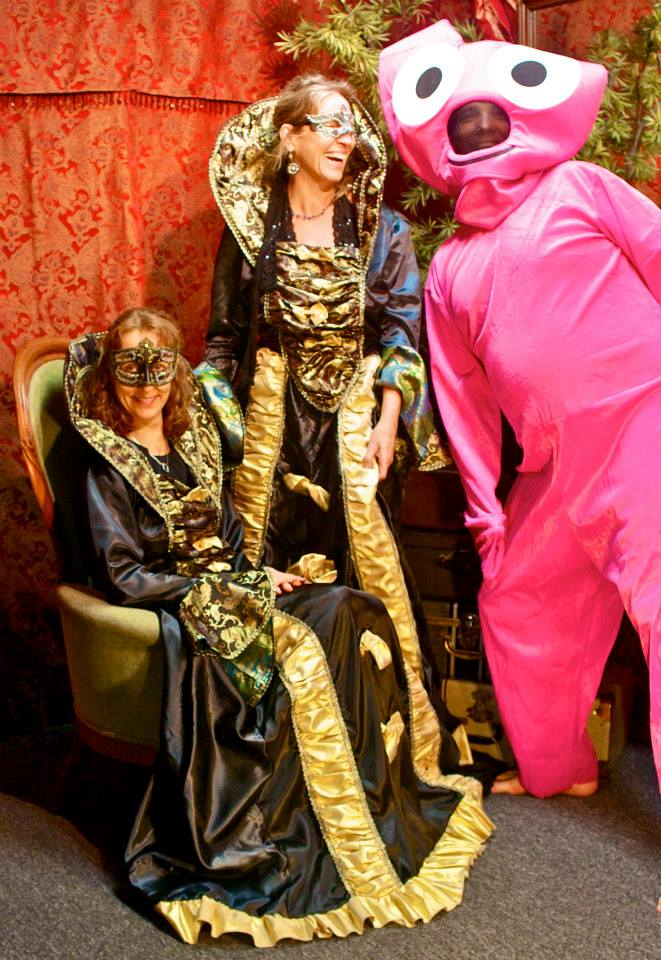
Hello, and welcome to my monthly e-letter, The Eleven. I hope you stay! It’s been such a fine month since I last wrote. We had a great time at Sabby’s benefit on 11.11 @ The Hollywood Vintage. Pics by all of our amazing photo-booth photographers, here!  We were able to raise a good bundle of money, signed up people to support gay marriage in Oregon, and had a great time together.

My Latest

Quik Learning
My gift to you – faster learning!

Every once in a while I stumble across something that really takes me for a ride. I’m always interested in becoming a better, faster learner, and I’ve been captivated by Quik Learning. Here is video 1: information on how to learn faster. Part 2 on remembering names. Speed-reading is video #3. And, finally, brain-map is video 4.

Try these out when you get a chance and let me know what you think. I’ve been walking around teaching some of these skills and having a blast increasing my reading speed and remembering peoples’ names!

2013 is coming to an end!
Albert @ MS Store 11.20I’ve really had a great year @ Albertideation. I’ve been speaking publicly in the last couple of months and have been working with a great bunch of clients. I am honored to be trusted with peoples’ businesses.
Speaking of teaching – my last two FREE classes this year will be 12.17 at the Microsoft Store in downtown Portland (free breakfast), and 12.19 on the East Side (free lunch!).
My website has undergone some changes recently, too. Please come visit and see what you think.
Wileyware for the Holidays

Here are some of the projects I’m working on right now – visit the links to learn more.
1. Jane Turville of Wagging Tale Productions is creating a new film, The People Factor. Please consider donating to the creation of this important work.

2. It’s always a great time for Wileyware. Marcia is doing incredible classes in her studio in Ballard, Washington – visit if you can.
3. Helping friends: I’ve transitioned from helping causes to spending time, money & effort to extend a hand to friends who have needed help. It’s not as sexy but feels useful and important right now.
4. The Portland Fruit Tree Project – Steve Bennett and I played for their annual volunteer appreciation evening – and I’d like to do more for these folks. Look for a fruit-tree grafting demo-party in the 2nd week of April @ my new home in SE PDX.
5. Settling into my new home 🙂
Thanks for reading and for your support of me and my work in the world. I couldn’t do it without you.
Sincerely,

Albert

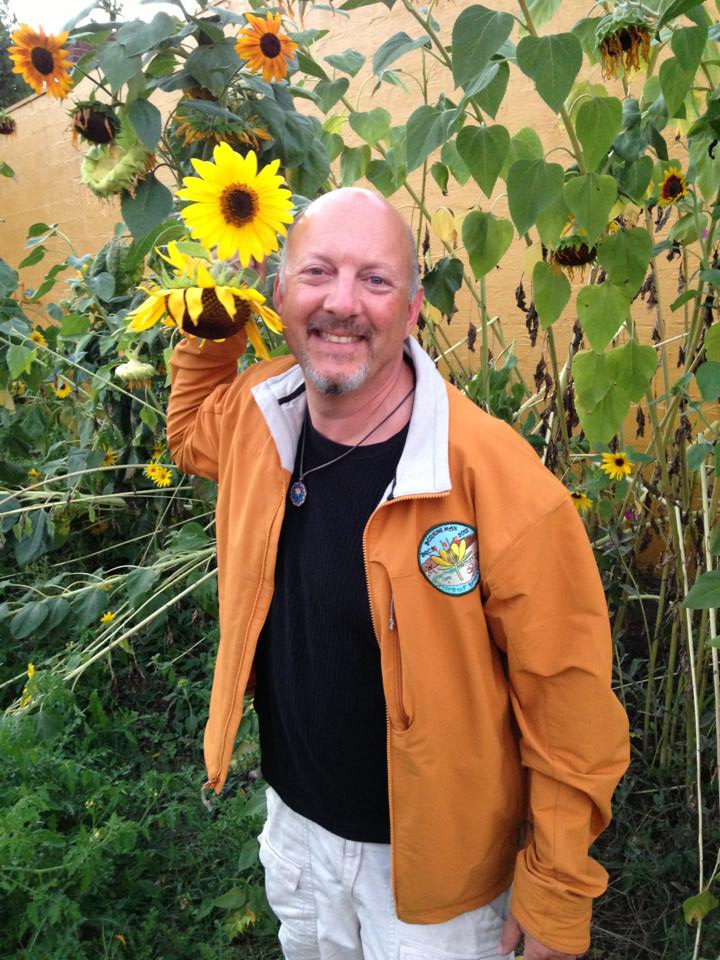
Albert and Sunflowers 2013

Ecstatic Dance: A Healthy Community Model – Sarah Kreisman

Sarah Kreisman

Sarah Kreisman

Ecstatic Dance: A Healthy Community Model, by Sarah Kreisman

There exist an endless variety of styles and types of communities in the world today. Some are large, some small in size, some are fleeting and some have existed for many generations. Forming into community is a part of human nature. “Our attraction to groups is instinctual; two hundred thousand years of human history have formed us into the group creatures we are” (Bellman, G. & Ryan, K., 2009, p.14). It is true that perhaps all communities in existence are not healthy communities, but there exist many which by nature are good for the people who are within them, as well as for those who are without. The ecstatic dance community is one great example of a healthy community. As a result of its unique nature, shared leadership and relationship to art, the ecstatic dance community is an excellent model of a successful, sustainable community.

There are many elements to the ecstatic dance community which make it unique from the majority of the communities in the world. The community as a whole is very openly loving and passionate in a way that I have never before witnessed. Affection is accepted and even encouraged between men. The community in general focuses strongly on human connection, on facing fears and learning to love and be loved. As community elder Bob Czimbal says, “we are more focused on belonging than belongings” (B. Czimbal, personal communication, August 15, 2013). The emphasis is on embracing truths and being accepted and embraced for doing so. The social norms are to be wild, free, sober and respectful. Czimbal states, “the goal is to increase passion and consciousness simultaneously as opposed to the typical increase in passion and decrease in consciousness correlation” (B. Czimbal, personal communication, August 15, 2013).

I myself have been experiencing the dynamics of the ecstatic dance community as a member for almost five years. During this time I have had the pleasure of befriending Bob Czimbal, a member of the community since 1996. Czimbal has been a community activist since the 1960’s when he began to participate in “human potential” movements. These movements involved an aspect of personal growth and healing which was unique and radical for the times. Czimbal participated as the greater community of the United States came together over external issues such as the Vietnam War. This experience motivated him to begin on his life’s path of merging the concepts of personal growth and community. Czimbal received a Bachelor of Arts in Sociology, went on to study community and co-authored Vitamin T and Kindred Spirits with his wife Maggie Zadikov.

Bob Czimbal, as a result of his passion for creating community and teaching others to do the same, has inadvertently become a strong pillar of the community. He has taught many seminars and workshops, and facilitated many gatherings which teach and encourage respectful communication and touch. Czimbal’s primary leadership role in this community has been in helping community members to develop these healthy skill sets as well as teaching them how to form a community of choice. Overall, Czimbal has played a pivotal role in helping the ecstatic dance community to remain healthy and prosper.

The benefits of being a member of the ecstatic dance community are many. When participating in ecstatic dance, we have the opportunity to witness and observe various behavior models and learn from them. The dance space provides an experimental environment which enables people to practice various ways of interacting with others in order to discover new and different manners of relating and setting boundaries. People are able to experience deep connection with each other without fear of expectations or attachments. It’s an environment which gives people the opportunity to learn to feel comfortable with touch and experience an embodied sense of spirituality. The community is also a playful space for people of all ages, encouraging joy, humor and a youthfulness which is uncommon in most adult communities. According to author David Richo, author of How to be an Adult in Relationships: Five Keys to Mindful Loving, there are five necessary elements to having healthy, loving adult relationships: attention, acceptance, appreciation, affection and allowing. This theory applies to any relationship experienced in adulthood. “They are the components of the healthy ego: Attention from others leads to self-respect. Acceptance engenders a sense of being inherently a good person. Appreciation generates a sense of self-worth. Affection makes us feel lovable. Allowing gives us the freedom to pursue our own deepest needs, values, and wishes” (Richo, 2002, p27). As depicted in the description of the ecstatic dance community, it is clear that an environment is created in which the five keys are facilitated. This creates a space of healing and nourishment which individuals may or may not be experiencing outside of this community.

All of the aforementioned benefits are aspects which promote good emotional and psychological community health. Strong friendships and even business partnerships form out of this community, creating concrete social capital for its members. “…Social capital refers to connections among individuals- social networks and the norms of reciprocity and trustworthiness that arise from them” (Putnam, 2000, p.19). With a high level of social capital, community and individual needs are well-supported, leading to an exceptional commitment and participation within the community by its members. Trust and reciprocity are incredibly important factors which attribute to community health and cohesion. “In short, people who trust others are all-round good citizens, and those more engaged in community life are both more trusting and more trustworthy” (Putnam, 2000, p.137). The ecstatic dance community by nature creates and encourages a community of trusting, inter-dependent individuals who are able to take the lessons they learn in this space and apply them in their lives within the greater, surrounding community. According to Czimbal the ecstatic dance community is “the most cutting edge spiritual evolution and revolution in the world today” (B. Czimbal, personal communication, August 15, 2013).

The leadership model in the ecstatic dance community is interesting as well as effective. The community functions in a democratic style, focusing on equality, shared leadership and decision-making within the group. This community functions succesfully as a team, with a structure of varying leadership roles depending on individual’s skill sets and interests. This style of power distribution is part of what makes this community sustainable. In Spencer Klaw’s book Without Sin: The Life and Death of the Oneida Community, we get a close look at an intentional community which existed successfully for 33 years in the late 1800’s. This was a “tightly knit and thriving society of some three hundred Christian communists living in upper New York State” (Klaw, 1993, p.1) who united under a leader who was a charismatic, self-proclaimed divine authority. This group practiced “complex marriage”, had a strong educational ethic, work ethic, and commitment to a leader whom they believe was leading them on the path to the Kingdom of Heaven. “…in a community of true Christians, God did not intend that love between men and women should be confined to the narrow channels of conventional matrimony. All the men at Oneida were therefore considered to be married to all the women” (Klaw, 1993, p.3).

John Noyes, the founder and leader of the Oneida community, ruled in the authoritarian leadership style, keeping tight control over the habits and practices of his community members. This was an effective method of leadership in that it created a large, cohesive, lucrative, community, but given the temporary existence of the community, it clearly was not sustainable. Once the community members began to lose faith in Noyes and his ideals, it wasn’t long before the community itself dissolved. “The Community’s founders had shared, and been united by, the exhilarating conviction that they were a chosen people; having freed themselves from sin, they could look forward to achieving immortality in their own lifetimes” (Klaw, 1993, p.233). The dream slowly died, Noyes lost his credibility, the community divided and ultimately disbanded. This is a great example of how tenuous the strength of a community can be in comparison to the solidity of the Democratic style of the ecstatic dance community.

Another aspect of the nature of this community which helps to make it a healthy, vibrant, sustainable community is its relationship to art. Humanity uses art for many purposes such as communication, entertainment, political/social expression, and healing to name a few. Within the ecstatic dance community art is commonly present. Whether via the medium of dance, musical performances or art exhibitions by community members, this community avidly supports and encourages artistic expression. There is a constant cycle of love, connection, support and creative expression flowing through this community. Through email list serves, social media and personal connections, when a community member offers to share their art publicly the community turns out to encourage, support and reward the courage of the vulnerable artist. The ambience is non-competitive, each person experiencing compersion when someone else succeeds. Artistic expression is celebrated, supporting the truth and freedom of each individual, yet another aspect of good health within this and other special communities.

Art has played an important role in many societies and social movements through human history, one of which was the Harlem Renaissance movement. This was a unique movement in the history of the African American culture in the United States, a movement which is world-renowned for the artistic expression which came out of it. “These years corresponded with an unprecedented artistic outpouring in the form of plays, novels, poetry, music, and visual art representing black life across many social categories- urban and rural, light skinned and dark, upper and lower class, male and female, heterosexual and homosexual” (Ferguson, 2008. p.1). During this movement African American people stood up and called for change. They shined a spotlight on their plight from slavery to segregation, and insisted on full social and political equality. Much of this communication was expressed through art. “The Harlem Renaissance holds a rightful place in African American memory as a time when freedom began to feel free” (Ferguson, 2008, p.2).

The ecstatic dance community parallels with the Harlem Renaissance movement in that it is also a very progressive, forward-thinking group, interested in social evolution and change. This community also uses art as a medium to express their desire for growth as we can see through ecstatic dance community member Eleanore O’Brien’s play series Inviting Desire. Her theatre company, Dance Naked Productions, “believes that the key to human happiness lies in greater compassion and understanding (and of course, more and better sex), and use the medium of theater to further that goal” (O’Brien, 2012). O’Brien’s work is an excellent example of using art to create social change.

As outlined in this paper, because of its unique nature, shared leadership and relationship to art, the ecstatic dance community is an excellent model of a successful, sustainable community. It’s an inclusive model which welcomes the greater community to participate within and enjoy its norms and practices. As this community continues to grow and flourish over time, humanity in general stands to reap the benefits.

References

Bellman, G. & Ryan, K. (2009). Extraordinary Groups: How Ordinary Teams Achieve Amazing

            Results. San Francisco, CA: Jossey-Bass.

Ferguson, J. B. (2008). The Harlem Renaissance: A Brief History of Documents. Boston,

MA: Bedford/St. Martin’s.

Klaw, S. (1993). Without Sin: The Life and Death of the Oneida Community. New York, NY:

The Penguin Group.

O’Brien, E. (2012). About Dance Naked Productions. Dance Naked Productions. August, 24,

2013, from https://dancenakedproductions.com/about-dance-naked-productions/.

Putnam, R.D. (2000). Bowling Alone: The Collapse and Revival of the American Community.

New York, NY: Simon & Schuster.

Richo, R. (2002). How to be an Adult in Relationships: Five Keys to Mindful Loving. Boston, MA:

Shambhala Publications, Inc.

Portland Ecstatic Dance – Video

Sarah’s video on Youtube… 

The Sacred Circle Ecstatic Dance from a while back in the 90s – Village Ballroom days!

and

11.11.13 Community Gathering and Benefit

11.11.13 Community Gathering and Benefit

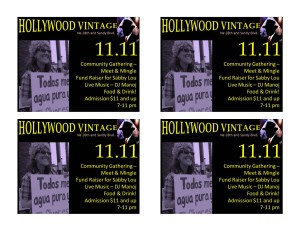
I was feeling the urge to throw a benefit for a friend or cause this Fall and chose my friend, Sabby Lou. She’s a fellow gardener at the Birthday Garden and also dances with me at the various ecstatic dances around town. She’s also a committed activist who has been dedicated to protecting our amazing Portland water for years. As a fellow activist, I know that it’s not always easy to do great work to protect the environment and make ends meet. Thus, the 11.11.13 benefit for Sabby Lou was born. Here’s Sabby’s main business, Yum Food Solutions, if you’d like to know a bit more about what she does in the world.

sabby fundraiser x 4

Please print, cut into four, and hand to friends!

I held my birthday party at William’s Hollywood Vintage store a few years back.  We had a blast. The setup and clean-up were simple and the time was wonderful. So, I figured, let’s do it again!

We’ll gather at the store @ 28th and Sandy at 7 pm – 11.11.13 – sans essential oils, sans lipstick and we’ll meet each other, mingle, sip some things, and enjoy the wonderful music of DJ Manoj and Kieran McManus‘s Cello!  The suggested donation is $11 and up.

We’ll raise some money for a friend and celebrate her. For more info, please click here!  I hope you can make it – I believe it will be a very memorable and fun night.

Albert

PS – for my thinking on how to make parties go well, read this 🙂

hv


Facebook as Diary – What will your Legacy Be?

diary

Your Legacy

Once upon a time, people wrote in diaries. If you wanted to learn what your grandmother was thinking, you could read her diary and learn how she met your grandfather. If the diary was kept, if it was legible, if it made it from point A into your hands!  Now, fast forward to today – a time when many of us are keeping our “diaries” up to date on a daily (if not hourly) basis on Facebook and other internet sites.  If we want to, the keys to our accounts could be passed along to our offspring or friends, and our online identities (diaries) could be kept up for a long time, possibly forever!  Anyone who wants to can pretty easily turn their online musings into a website that should last a long, long time.

I was pondering this concept on a trip to the Oregon coast this past weekend. What might it be like for future generations to be able to go back in time and review what their parents and grandparents were doing – that intimate look could be so useful to a biographer, sibling, or anyone, really.

That led me to rethink a little what we post online. I keep finding value in sharing what I’m doing on Facebook and beyond.  I think I’m now conceiving it as a way to inform people of my various projects – to get assistance, but also for a reason I had never thought of before.  Have you ever been somewhere and someone approached you – a Facebook-only friend? And, it turns out that they know something about you, though you might not know much about them.  Or, vice versa.  I have this experience frequently. This weekend at the beach, I stumbled on a group of women who were sitting around a lovely campfire on the beach. It turned out that I knew 3 of the women, and was FB friends with a few more. That instant recognition and also their general knowledge of what I’m up to in the world led to a level of welcome and appreciation that = reputation. My reputation at that moment was not “stranger”, it was – “someone we know who does good things in the world”. That, in turn, led to a level of welcome/hospitality that was very helpful at that moment and pleasant.

So, the reasons to share with the world what you’re thinking seem to continue to grow. People often ask me what/why to post on social networks – here are a couple of answers to that question. Somewhat we’re all flying on blind faith that this is useful, and if I come up with more reasons why this is good practice (besides some other obvious ones – connecting you with people you want to know – finding resources that you seek – finding help with projects, etc) I will share them here.  Can you think of any reasons that are interesting reasons why a person might want to post on social networks?

Moving Time!

sunflowersMoving Time

Hello, and welcome to this month’s The Eleven, my monthly e-letter.

Have you ever had a destination in mind but had to complete many tasks before you could get there? That’s how this edition of the 11 has been for me. Whew, and I’m there and ready to write!!!!  First, the news.

Yes, after 3 years of happy clamming I’m going to take my show on the road and relocate to … Southeast Portlandia. Yes, I know, you were possibly expecting something a little more exotic, but actually, living in SE Portlandia is pretty frigging awesome, and I can’t wait to get there. I left Burning Man this year partly to get a head start on the moving process, cause I’m so jazzed! I’ll be over in the Division/44th/Stumptown/Village Merchants section of town – the house has a great porch and I’ll be living with two women I’ve known for a good long time. I’m looking forward to a quieter neighborhood and closer proximity to work and and and!
And, doesn’t it seem like life is speeding up a bit, lately? Between Syria, Climate Change, the R’s bringing us to the brink of not having a government budget and traffic speeds increasing (at least that’s my sense) it just feels like the pace is quickening. Which is why it’s great that this calming site exists 🙂 Go ahead, take a minute or two 🙂
shoes post burn 2013
shoes post burn

In fact, this has been my lesson from Burning Man this year – which if anyone who can help is listening – WAS WAY WAY WAY TOO LOUD.  We take some of the most intelligent people on Earth; bring them to an incredibly beautiful part of the world; fill that space with amazing art; and then drown everyone in a sound mush that is so abrasive that I don’t think I’ll ever go back again. My 13th year was so loud that I think my system has been completely overloaded and I’m having a very hard re-entry. What?  And, if you’re interested in links to pictures/videos, let me know – I have a great list, because of course, this was also the best year ever. Yeah, it’s like that out there…

One of my favorite parts of this year’s Burn was actually our SideBurn – time spent with friends at Summer Lake Hot Springs in Paisley, Oregon.
I’m finally finding work that I am passionate about – teaching social media and email marketing to small biz people. If that’s you or someone you know I have a bunch of classes (mostly free) coming up – look to the right. I’d love you to refer me to people, thanks!
I hope your life is full of love, laughter, surprises, dance, magic and lots of touch. If you haven’t seen the video on touch put out by my friends, please have a look. Make sure you get plenty of hugs, rest, healthy food and I’ll speak with you soon,
With gratitude for life’s abundance,
Albert Kaufman

Upcoming Events

Facebook for small businesses – You Can Do It!

Come learn how to promote your small business via Facebook – I’ll help you take out the frustration and add in the fun! – Monday, September 23rd, 9am-12pm – $30

1823 NE 13th Avenue

—————–

The Power of Email Marketing

Monday October 14, 2013 from 10:00 AM to 12:00 PM –Free

This information-packed seminar will demonstrate how email marketing can really help drive business success.

Holladay Park Church of God

—————–

Getting Started with Email Marketing

Tuesday November 12, 2013 from 10:00 AM to 12:00 PM –Free

This is a guided discussion about how email marketing works and how to get up and running.

Holladay Park Church of God

Sarah
Sarah is my favorite comedian
todays’ soundtrack brought to you by my new friend, Spencer. He gifted me with a collection of dance hits from the 70s – got me shaking my head while writing this, Keep on Truckin! yeah!  
Albert and Sunflowers 2013
The sunflowers are doing well this Summer – learn more about my sunflower project