How to live an extraordinary life in a conventional world!
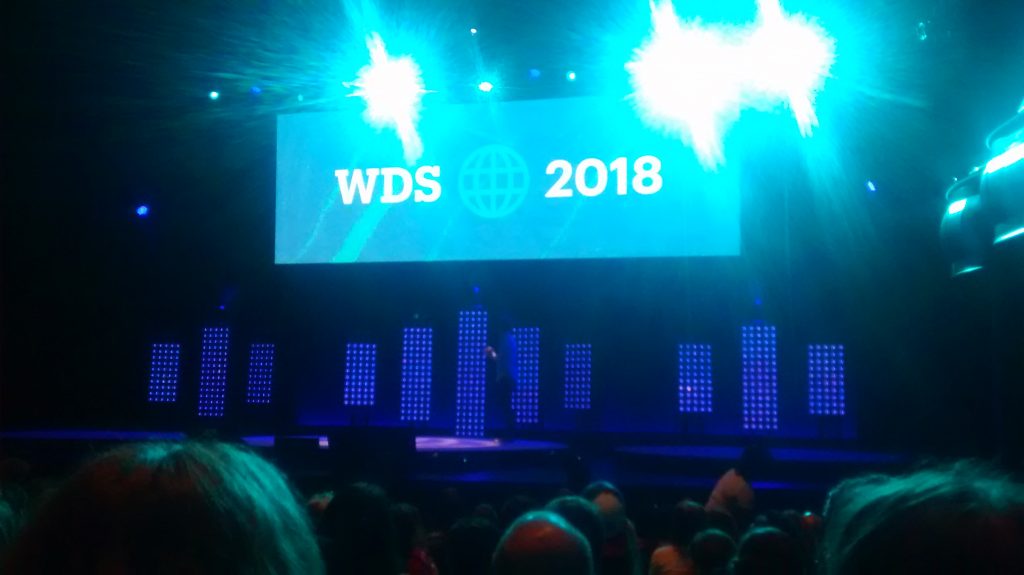 I’ve been hearing about the (World Domination Summit) WDS for many years. Little drips and drabs of “this was amazing” – “this blew my socks off“, etc. But somehow it never led to me actually attending. I have a high threshold of awesome (visiting Burning Man Place for 14 years does that). And, every time I’d dip my toes into checking it out I’d run into a sales-y website that was very sharp and newish looking and I didn’t see the appeal. I wish I had asked deeper questions about this event years ago because it freaking rocked! It was easily the best conference I’ve ever been to. Granted, I hear 2018 was one of the best years – but still – I would take a terrible version of this thing any day! OK, so, here goes. I’ve been hesitant to write something about this partly cause I’m still having fun connecting with the other attendees and following up on various links and hand-outs and bits of inspiration.
Know that it’s a beautiful day in Portland. The kind we only see maybe 5 of per year – so I’m sitting here in the shade listening to the KBOO radio screaming the Waterfront Blues Festival at me. So, at some point I may jump up and get on my bike – or, more likely, my friend Steve Bennett will arrive and we’ll play some tunes together on the porch.
So, #wds2018 – what is it? What was it? And, how did I end up going? In the beginning was a conversation with Terry Tomei on my porch about 8 months ago. Terry and I were discussing various things and I brought up WDS. He followed up and when tickets went on sale, he bought me one. I hadn’t exactly said “buy me one”, but he did – and then I paypal’d him the $707 for the ticket and then spent months hemming and hawing and wondering if I should sell the ticket. By the time of the event I had missed the chance to transfer the ticket to someone else and so I pulled up my britches and started attending on the Wens. before the main weekend events. I’m so glad I did. Conferees organized and led Meet-ups for one another and you could sign up for them via an easy-to-use app. The first activity I attended was one of the conference-offered academies – it was on turning your hobby into a business. It was fantastic. The next thing I went to was a meet-up by the Portland Art Museum by Jan Keck.
 Jan led the group through a wonderful introduction/deep questions deck that he sells. Check it out @ https://www.jankeck.com/ask-deep-questions/ – that was my favorite physical thing I received all weekend. A deck of these cards. Jan is very kind and welcoming and is up to interesting things, for sure.
Meet-ups. This conference ran like nothing I have ever experienced. Participants through meet-ups for one another and each meet-up was listed on the app and was available until registration filled (and some also encouraged you to come even if the event was full). So, for the next 7 days I went to a mix of meet-ups, academies and then on Sat. and Sunday to main stage presentations – speakers and more – held at the Newmark Theater. The staff running the event is mostly volunteers (maybe all volunteers) – and people were very friendly, pumped and professional. I always felt held; welcomed and respected. WDS has attracted a lot of incredible people.
Many of the attendees are digital nomads. Many are people who are experts in their fields – a very inspiring bunch. I learned about masterminding; how to run workshops/events; how to be more vulnerageous; found an accountability buddy; attended a mens’ workshop that was quite ably led; learned some great new facilitation techniques from fellow Portlander, Marli; Amy and Gary led an incredible ice-breaker evening (which Jan joined for round 2 – campfire conversations). Overall, I’m super impressed by the organization and the people who attended. It felt like a big, happy family.
On Saturday, Chris, the founder, announced that there will be only 2 more years of WDS. This was year 8. Then, he announced that 200 tickets would be available for the next two years and 300 for just 2019. The first set of tickets sold out quickly. I ended up buying one for 2019, and then came home and bought 2 more for 2 people that I hope will join me. I am excited to share this with friends (and my brother, red rover red rover, let Dan come over!).
OK, now I can play! And, I’ll have a lot more to say about this – but wanted to share a first draft with you now! Whew – that was quite the firehose!
Here are some pics – sorry for the weird titling – but that’s all I got at the moment. Enjoy! Hopefully you can get some of the flavor of the event here 🙂 (more below as I think of things!)




So, more highlights – one of the last events I attended was on the Tues. after the big weekend. Paul Paul Lopushinsky led an Offers and Needs meet-up. More of this, please! The idea is that people can write up their offers or their needs or both and then find one another – people posted offers of consulting; personal coaching and a hundred other things while other people posted their needs. It was remarkable to watch community building and support in action!
Ah, the people! They came from all over the world – some live here. We were organized via a FB group – and there’s also a FB group for WDS alumni, too – both are very active. There are also local WDS FB groups, too. The people are an interesting mix. Many accomplished writers; thinkers; world travelers; athletes; coaches; and people busy following their passion. There are many who are doing whatever they can to leave the rat race and take others with them! Many entrepreneurs and business leaders. Then there are the deep thinkers; strategists; and people who are leading in the personal growth field – add them all together and you get a group that is willing to take risks to be more vulnerable with one another and create magic and lasting friendships. I was kind of surprised not to meet more Burners or people I know through other realms – but I was very pleased at who showed up and how they showed up. These people have their shit together – or, so it seems, because…
None of us have our ISHT together – as @yesyesmarsha – shared with us from the stage. She also set up 3 large boards for people to write about ways they are not pleased with themselves. That was one of my favorite parts of the whole weekend. How humbling (you can see the post it notes in the photos above, but there were hundreds of them). It was a good reminder about how everyone has something they are not pleased about. There’s a whole book just on this topic, and I’m signing up for what ever Yes Yes Marsha is selling – her newsletter to start with.
More to follow. Advice Dice – noone talked about the advice dice we all received 🙂

WDS Swag photo by Armosa Studios
While at WDS I worked on workshopping and talking a lot about my dream to have guitar camps in Oregon and Maui. It’s a fun thing I like to do. I’ve been attending PSGW – a music camp outside of Seattle – since 1995. I love it – there are various formats, but key is – camp; 3 meals a day plus fun snacks at night; a group of people who are like-minded and there to play music and sing together; rinse and repeat. I’ve been dreaming that this would be a fun thing to do in Oregon and of course during WDS – the universe pushed back with “really, you want to do this? – OK, here, then. 2 camps responded back to me with interest. So, now I get to move this dream forward 🙂 You can sign up to be notified about when these will happen here.
Downside: of course with all this goodness there must have been some problems or issues, right? Of course there were. But interestingly, downsides tended to be that there weren’t enough hours in the day to absorb the firehose of information and awesomeness coming my way. A good problem to have and very Burning Man-like. Many of the WDS activities took place in NW Portland – which is one view of the City (I think many attendees probably have a warped view of Portland because of this – they spent most of their time downtown). That said – this is not anyone’s fault and led to a lot of potential meet-ups and HQ all being close – and so everything was pretty walkable. I think a downside would be each of our own resistances to growth, myself included. I noticed sometimes wishing – OH, I wish this was a little more like RC/Re-evaluation Counseling, or Solsara. Or, being underwhelmed by a fellow attendee’s response to something or having a bright light shining in my eyes from the main stage; or the app not working perfectly with my ancient phone. But otherwise? From the moment I landed @ HQ I was treated well and so many of my interactions with people started at a good and interesting place. So, kudos to WDS for a job very well-done. Other conferences could learn a ton from attending this. Kind of like how Vancouver Folk Festival sets the standard in how to run a large music festival (and go Beloved Festival for the mantle for a smaller festival 🙂
Many more pics here. by Tera and Armosa Studios.
Melinda Robino “I’m with you Albert. I’m still processing and thinking deep thoughts. As much as this is a global event (people from all over!), it could be about self-domination (is that weird?). What I mean is, I started opening up and taking control of all those negative thoughts about myself that I just harbored and had adapted as truth. I gave back when someone seemed to need a little confidence. So was this all woo-woo topics? Not a chance. It was play, work, performance, connecting, reaching, curiosity, taking, eating, making and a meet-up on just about anything. The Main Stage speakers were not just people that have “made it.” But more of people that work to live their life on their terms and a willingness to show us their path, tips, tricks and compassion. If that’s woo-woo, I’ll take an extra serving please!“
Here’s a great video that shared some of what 2018 was about and where the event headed next.